

Overview:
A new NCTE-funded study reveals that despite growing advocacy for diverse literature, the most frequently taught books in U.S. secondary English classrooms remain overwhelmingly authored by white men and largely unchanged for over 35 years.
According to a study funded by the NCTE, despite nationwide efforts to diversify texts used by teachers in secondary English literature classrooms, the list of books most taught by the nation’s teachers is written by dead, white men.
In the study “The State of Literature Use in US Secondary English Classrooms,” funded by the National Council of Teachers of English (NCTE), which surveyed over 4,000 secondary English/Language Arts teachers, the list of most taught books remained unchanged from 35 years ago.
“This survey is an important addition to previous research on book censorship and curriculum policies. It reflects the voices of teachers and their firsthand experience as professionals who have been prepared to foster student learning,” said NCTE President Tonya B. Perry, a former middle school teacher who serves as provost and vice president of academic affairs at Miles College in Alabama. “It’s encouraging that teachers want to honor students’ right to access outstanding literature that reflects their rich and varied experiences and sparks critical thinking around the complexities of the human experience. These survey results suggest, however, that diverse texts are still on the sidelines of the curriculum.”
According to the survey, at the top of the list is William Shakespeare’s Romeo and Juliet, followed by F. Scott Fitzgerald’s The Great Gatsby, and Arthur Miller’s The Crucible. The Crucible is one of just four texts—along with Elie Wiesel’s Night, Ray Bradbury’s Fahrenheit 451, and Mary Shelley’s Frankenstein—that were not on the 1989 list of 10 most taught texts. Shakespeare’s Macbeth, listed fourth in the recent survey, was among the top 10 in 1989 as well as in a 1964 survey of literature in American classrooms.
“This survey is an important addition to previous research on book censorship and curriculum policies. It reflects the voices of teachers and their firsthand experience as professionals who have been prepared to foster student learning,” said NCTE President Tonya B. Perry, a former middle school teacher who serves as provost and vice president of academic affairs at Miles College in Alabama. “It’s encouraging that teachers want to honor students’ right to access outstanding literature that reflects their rich and varied experiences and sparks critical thinking around the complexities of the human experience. These survey results suggest, however, that diverse texts are still on the sidelines of the curriculum.”
The survey was sent to every US public school secondary ELA teacher with a public-facing email address—more than 107,000 in all—between January 2023 and June 2024. The respondents, representing teachers in every state, collectively identified 5,108 unique titles being taught. The study defines “diverse literature” using the nonprofit, We Need Diverse Books’ definition: “We recognize all diverse experiences, including (but not limited to) LGBTQIA+, Native, people of color, gender diversity, people with disabilities, and ethnic, cultural, and religious minorities.”
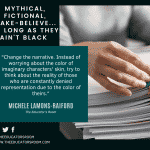
From the survey, several key findings emerged regarding text selection, content, and attempts at censorship. The top 10 most frequently taught books were all authored by white writers—mostly men—and published over 60 years ago. Teacher autonomy in selecting texts varied, with over one-third using scripted curricula and one in five having no choice at all, especially in the South. The most censored topics include sex, LGBTQIA+ representation, and race or racism, often removed for vague or unlisted reasons. Teachers identified parents, school boards, state legislators, and districts as the primary sources of censorship. While 90% of educators value and use diverse literature, most report that fewer than half of the texts in their curriculum reflect that diversity. Teachers expressed the most interest in texts about people of color and historical events like the Holocaust, and the least interest in literature featuring LGBTQIA+ themes.
“NCTE funded this study to offer educators, policymakers, and the public data-driven insights into how literature is currently used in classrooms and to inform ongoing conversations at local, state, and national levels. In doing so, we reaffirm our commitment to supporting educators’ professional autonomy and informed decision-making,” NCTE Executive Director Emily Kirkpatrick said. “Ultimately, the findings raise important questions about the effects of censorship on students’ engagement with texts that they find interesting, which leads to lifelong reading and learning, as well as the development of critical thinking skills.”