

Overview:
Teaching students to read nonfiction becomes far more manageable when they are exposed to diverse modern sources, taught to think critically about credibility and perspective, and equipped with engaging note-taking strategies that help them understand and retain complex information.
Teaching students to read nonfiction texts can be a daunting task. Nonfiction texts can be written in many different formats and styles, depending on the subject matter. Providing multiple examples of texts that we see in today’s world, teaching them how to comprehend and think critically about the content, as well as effective note-taking techniques, can all aid students in their understanding of dense content-specific texts.
Sources in Modern Day
First, it helps to introduce students to a variety of different types of sources. Let them experience how a newspaper is set up versus how a magazine article is formatted. Texts don’t always have to be in print, either. A documentary and a podcast can also be sources of information that are more common in today’s digital world. They offer a great deal of information in a short amount of time. Most schools have access to databases that can group high-quality, and even peer-reviewed, sources on a given topic of choice. Have students notice similarities and differences of each text type, and then discuss as a whole group. Which ones did they like most? Why is that? Students may learn more about themselves as learners in this way. Maybe they prefer auditory input paired with reading visually. Perhaps they need just visual input to stay focused.
I teach a lesson on using documentaries as visual information sources. We go over using closed captioning and pausing them to record important information. This year, I had students view a short three-minute documentary from National Geographic. It’s short enough that we could watch it together multiple times to understand the main ideas and how the video was set up.
As a class, you can explore each kind of text, look at the different text features such as headings and subheadings, captions, key vocabulary, infographics, etc. Looking at bibliographies and sources can also lead to conversations about credibility and reliability, as well as provide new places to look for information on that specific topic.
Thinking Critically about Information
In order to comprehend these texts, we need our students to be thinking about them. As a class, think about making a list of questions that students can use to prompt themselves as they read.
- Is this information helpful to my research?
- Did it teach me any new concepts or information?
- Is this a reliable source?
- Does it only provide one viewpoint?
Literacy Today has some great reading comprehension questions to get students thinking.
When doing historical research, I frequently ask my students about the creator of the source. Who were they? Was this written at the time of the event? Getting insight into the author or creator can help them see the creator’s perspective of this event.
Engaging Notetaking
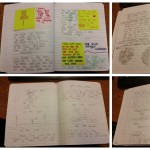
For the last several years, I have been explicitly teaching my students how to properly take notes on informational texts. This skill is vital in helping students retain important information and will be used throughout their educational careers. Providing formats and various styles of notes for students allows them to find what works best for them. Incorporating Sketch Notes is a fun way to think about texts and ensures students are more likely to revisit their notes in the future. These can be created physically on paper or even digitally on an iPad or tablet. Mike Rohde, the creator of Sketch Notes, offers excellent tutorials for novice note takers on how to create simple images to aid in mapping ideas for enhanced retention.
I have quite a few “doodlers” in any given class, and having them use Sketch Notes is a great way to keep that creative energy focused on the academic task at hand. Use their artistic abilities to help them remember content-specific information.
While there is no one catch-all for teaching informational reading and comprehension, there is one goal for all types: to think about what they are reading. Find subjects students are interested in or passionate about, and encourage discussion about the texts they read. Explicitly teaching vital skills such as text structure and features, as well as note-taking, will set students up for success later on.

Kristin Brown is a middle school teacher in the state of New Hampshire. She has been in public education for thirteen years, ranging from kindergarten to middle school. Her certifications are in elementary education as well as reading and writing. She loves to incorporate social studies and science into her writing curriculum to promote learning across various subjects.