
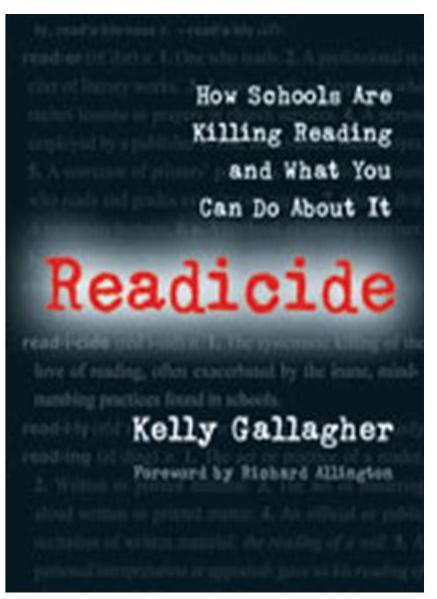

Readicide is defined as, “the systematic killing of the love of reading, often exacerbated by the inane, mind-numbing practices often found in schools.” I fear I was a Readicide practitioner in my early years of teaching, but I am now trying to recover and adopt practices suggested in Kelly Gallagher’s book Readicide. Gallagher points to a crisis […]
Literacy
Posted inClassroom Management, Featured, Instruction & Curriculum, Literacy, Mathematics, Social Studies
"I'm Done!" – Challenging Students Who Finish Early

“We have noticed our child is not reading near the amount of books he read last year,” a set of parents commented at conferences. “He still has a passion for reading and he reads at home, but we are not getting new books as often.” This same student loves Tuesday in my classroom. Tuesday is […]
Posted inCurrent Events in Education, High School, Literacy, Social Studies, The Unemployed Teacher
High Schools Need Dr. Seuss Time

Normally March 2nd would pass without notice but this year I am embracing the 109th birthday celebration of Dr. Seuss in my high school classroom. Seuss is ageless and timeless. Many elementary school teachers and children’s librarians have embraced Read Across America’s promotion of “grab your hat and read with the cat” but high schools […]
Posted inFeatured, Instruction & Curriculum, Languages, Literacy, Social Studies
Whit's Lit Tips: The Tools of Rhetoric
One of the best reasons for teaching is watching students transform, empowered with skills and knowledge that they did not realize existed. Introducing students to studies of rhetoric and oration has never failed to capture the best in every student. The right combination of wit and wisdom can make every student a superhero. Who doesn’t […]
Posted inFeatured, From the Front Lines, Instruction & Curriculum, Literacy
The Art of Storytelling

Life is a series of stories. By definition, a story is a chain of events. In both formal and informal education, storytelling is an excellent teaching strategy. Think about it – teaching English, History, Reading, Science, Social Studies, Art and even Math can be enhanced by the use of stories. We’ve all told them, whether […]
Posted inFeatured, From the Front Lines, Instruction & Curriculum, Literacy, Middle School
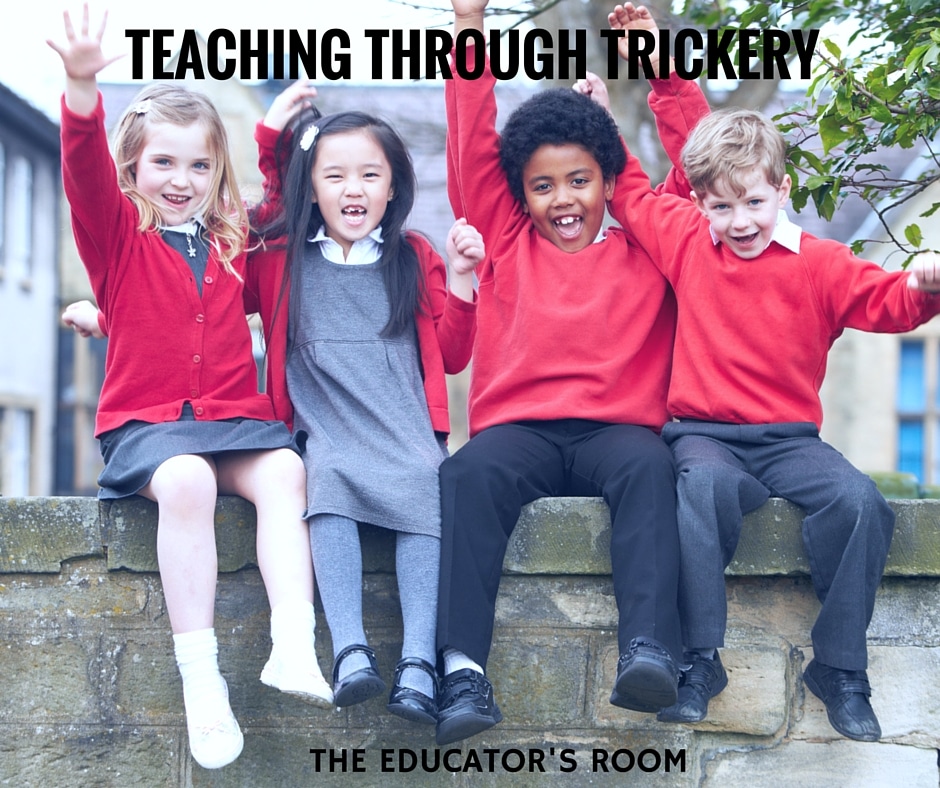
Teaching Through Trickery: A Snapshot of Theory vs. Reality

During my first year of teaching high school, I inherited a remedial reading class that consisted of about eighteen unmotivated juniors. Having just finished a graduate program in educational psychology with emphasis placed specifically on reading and literacy, I saw this as an opportunity to take all of those research-based best practices and make readers […]
Posted inFeatured, Instruction & Curriculum, Literacy, Special Education
Understanding Dyslexia and How to Help Our Students Succeed

We process the sounds of our alphabetic language as we read and write. The three necessary phonological processing abilities are phonological awareness, phonological memory and the ability to retrieve auditory information from long term memory (referred to as rapid naming). A deficit in some aspect of phonological processing is considered to be the cause of […]

Posted inBook Review, Featured, How to Fix Education, Instruction & Curriculum, Literacy
Book Review: Vocabulary StrategiesThat Work: Do This – Not That!

[fusion_builder_container hundred_percent=”yes” overflow=”visible”][fusion_builder_row][fusion_builder_column type=”1_1″ background_position=”left top” background_color=”” border_size=”” border_color=”” border_style=”solid” spacing=”yes” background_image=”” background_repeat=”no-repeat” padding=”” margin_top=”0px” margin_bottom=”0px” class=”” id=”” animation_type=”” animation_speed=”0.3″ animation_direction=”left” hide_on_mobile=”no” center_content=”no” min_height=”none”] In Vocabulary Strategies That Work: Do This-Not That! Lori G. Wilfong does an amazing job of bringing to light the importance of students actually learning vocabulary and making it useful instead […]