
Have you signed up for The Educator’s Room Daily Newsletter? Click here and support independent journalism! The purpose of a read-aloud can be both entertainment and academic. From the academic perspective, read-alouds help build important foundational skills. Read-alouds provide a model of fluent and expressive reading, as well as an introduction to new and content-specific vocabulary. […]
literacy

Posted inOpinion
It’s Time to Shelve Summer Reading

Have you signed up for The Educator’s Room Daily Newsletter? Click here and support independent journalism! Our department spent the month of May preparing and presenting our summer reading assignments to every high school student. We talked about our educational goals for the next school year. We shared advice and insight into how the selected […]
Posted inPedagogy
How Background Knowledge Supports Reading Comprehension

Essential Components In part 1 of my series on effective literacy, I discussed the Science of Reading, the role of the brain when learning to read, and the importance of explicit phonics instruction when teaching reading. Explicit phonics instruction is critical when learning to read, but word recognition is not the only component that creates […]

Posted inInstruction & Curriculum
7 Picture Books for Earth Day That Aren’t The Lorax

Each year on Earth Day elementary school teachers across the U.S. pull out The Lorax and other tried and true read-alouds. Many elementary teachers – a group that is disproportionately white women – tend to gravitate towards the books they grew up with. This is a problem. And while there’s nothing wrong with the environmental […]
Posted inPedagogy
How to Use Social Justice Picture Books With High Schoolers

Have you signed up for The Educator’s Room Daily Newsletter? Click here and support independent journalism! Picture books are colorful, vibrant, and creative…so let’s not ditch them after chapter books come along! As a parent I have re-discovered my love of some classic picture books, but mostly, I am discovering a vast new world of modern children’s literature. Many […]
Posted inInstruction & Curriculum
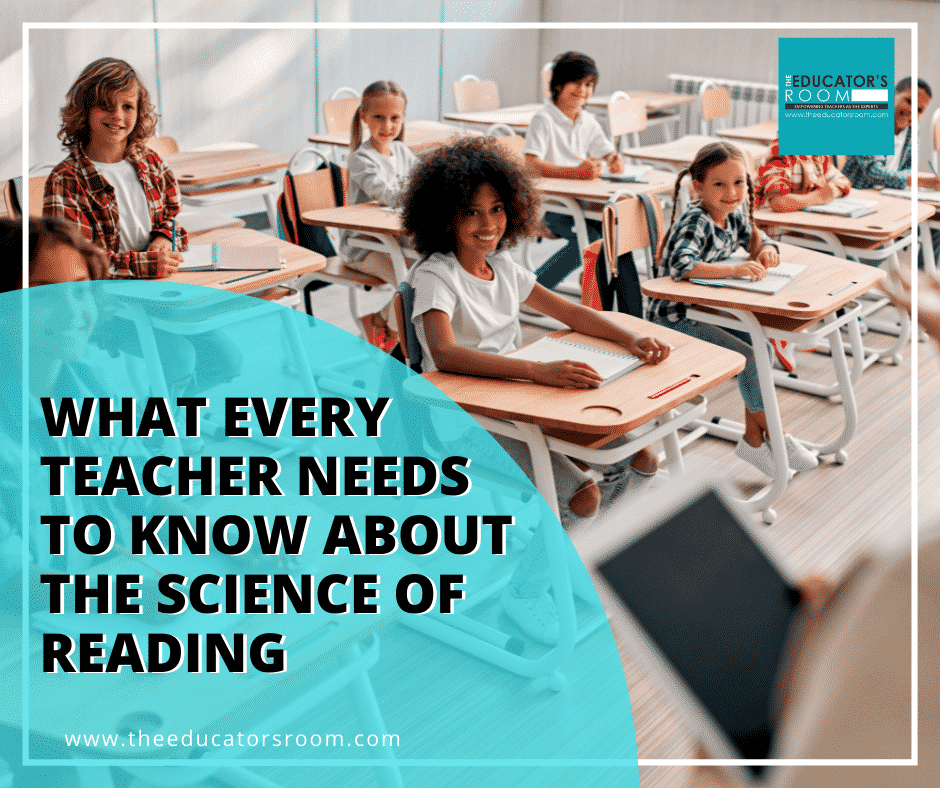
What Every Teacher Should Know About the Science of Reading
This is Part 1 of a series on effective literacy instruction My fondest memories of teaching first grade were watching my students grow as readers and feeling pure joy when they accomplished their reading goals. Every September you are given the task of instructing nonreaders. By June, they leave you as skilled readers. Some leave […]
Posted inInstruction & Curriculum
Equity Check: Changing Our Teaching Practices in Literacy

Reading and writing are essential tools for success in life. Imagine how you would survive, make a living, or even make purchases at the grocery store without basic reading and writing skills. In order to be successful in today’s technology age, students will need to know how to communicate on all platforms. Students will need […]
Posted inInstruction & Curriculum
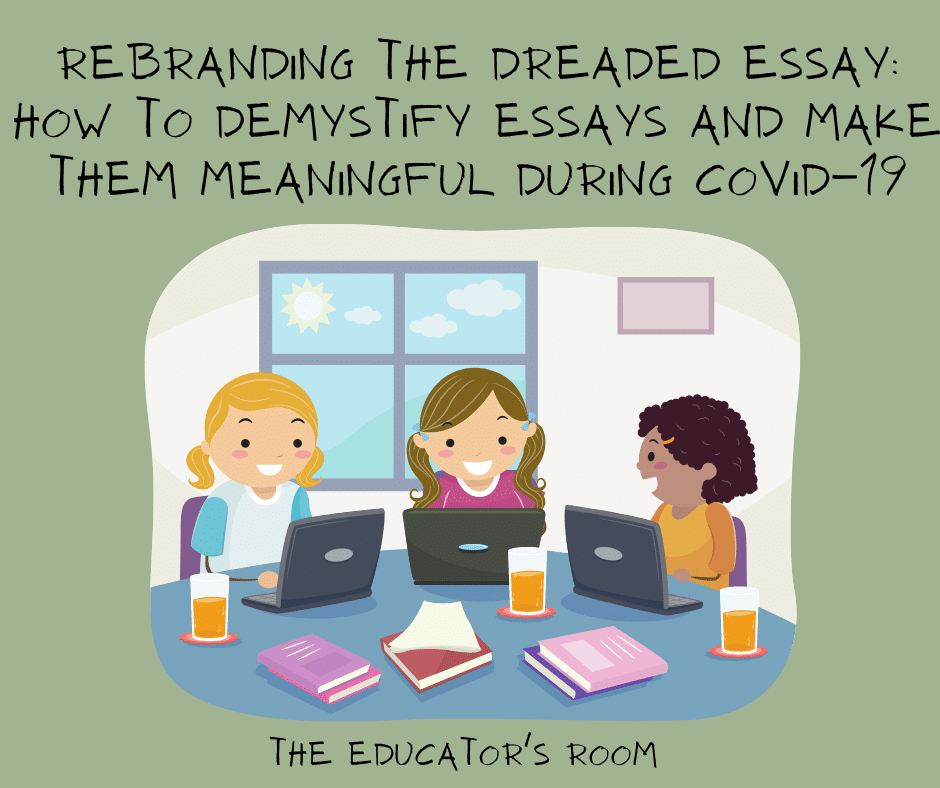
Rebranding the Dreaded Essay: How to Demystify Essays and Make Them Meaningful During COVID-19

Whenever students hear the word “essay,” they groan, eye roll, and plead for something, anything else. Similarly, most adults I know remember high school or college essays they grudgingly finished just under the wire; late-night coffee, obsessive word counting, and a fair amount of teacher-specific bs-ing. It’s clear “The Essay” gets a bad rap, and […]